Tooting Market rug cleaning guide for market traders
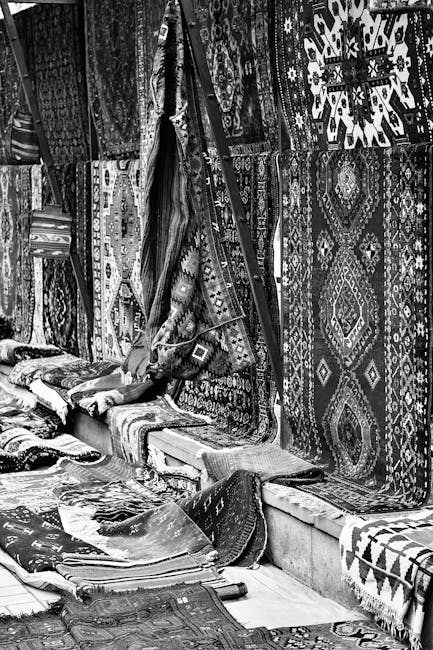
If you trade at Tooting Market, you already know rugs take a beating. Mud from the pavements, coffee drips, food spillages, footfall from early doors to closing time, and the general hustle of a busy market can leave a rug looking tired fast. This Tooting Market rug cleaning guide for market traders is here to help you keep stock, display rugs, and stall floor coverings cleaner for longer without turning the job into a headache.
Truth be told, rug care is one of those jobs that gets postponed until the problem is obvious. Then suddenly you are dealing with odours, flattened fibres, stubborn stains, or a rug that looks fine from a distance but has lost its lift up close. The good news? With the right routine, most market traders can stay ahead of the mess. This guide covers what matters, how rug cleaning works in a market setting, where traders often go wrong, and what to look for if you want a professional result.
One quick note before we get into it: not every rug should be cleaned the same way. A jute runner near a stall entrance, a wool rug under display tables, and a synthetic mat in a food-heavy pitch all need slightly different handling. That's the part many generic guides miss. Let's make it practical.
- Why rug cleaning matters for traders
- How rug cleaning works in a market environment
- Key benefits and practical advantages
- Who this is for and when it makes sense
- Step-by-step guidance
- Expert tips for better results
- Common mistakes to avoid
- Tools, resources and recommendations
- Law, compliance, standards, or best practice
- Options, methods, or comparison table
- Case study or real-world example
- Practical checklist
- Conclusion
- Frequently asked questions
Why Tooting Market rug cleaning guide for market traders Matters
Rugs in market stalls do more than decorate a space. They shape first impressions, soften hard flooring, absorb noise, and help make a stand feel warm rather than temporary. In a place like Tooting, where traders are balancing footfall, stock rotation, and a constantly changing environment, a rug can either lift the whole stall or drag it down visually.
When rugs are dirty, the problems are not just cosmetic. Grime settles into fibres, odours linger, and spill marks can become permanent if they are left too long. If customers notice a musty smell or a stained display area, they may not say anything, but they do notice. That's the tricky bit. Market trading is visual, fast-moving, and a little unforgiving.
There is also a practical angle. A rug with compacted dirt wears out faster. Fibres get rubbed down, colours dull, and edges fray sooner than they should. For traders who use rugs to divide space, create a display zone, or protect a floor beneath stock and foot traffic, the replacement cost can creep up quietly. Bit by bit.
Then there is hygiene. If your pitch handles food, fresh produce, plant stock, clothing, homeware, or anything that attracts dust and traffic, rug cleanliness supports the broader standard of the stall. It is not about being spotless all the time, because let's face it, that is unrealistic in a busy market. It is about presenting a place that feels cared for, safe, and pleasant to shop in.
Expert summary: clean rugs in a market setting protect presentation, reduce odours, help fibres last longer, and support a more professional stall atmosphere. That makes them a small detail with a surprisingly big commercial effect.
How Tooting Market rug cleaning guide for market traders Works
Rug cleaning for traders is usually a mix of assessment, spot treatment, deep cleaning, drying, and maintenance. The exact process depends on the rug's material, how much traffic it gets, and what sort of mess it has picked up. A wool runner with light dust needs a different approach from a synthetic rug with drink spills, grease marks, or tracked-in mud.
In a market environment, the aim is not only to make the rug look cleaner for a day. It is to clean it in a way that preserves the fibres and fits around trading hours. That means planning around opening times, drying space, access, and whether the rug can be lifted off-site or must be cleaned in situ.
Most effective rug cleaning follows a simple logic:
- Inspect the rug. Check fibre type, backing, stains, and wear patterns.
- Remove loose dirt. Vacuum thoroughly or shake out safe loose debris where suitable.
- Treat spots and stains. Use the right pre-treatment for the soil type.
- Deep clean. This may involve steam, low-moisture cleaning, or controlled washing depending on the rug.
- Rinse or extract. Remove as much residue as possible so dirt does not resettle.
- Dry properly. Fast, even drying helps prevent smells, browning, and mildew.
- Finish and groom. Brush or rake fibres where appropriate so the pile stands up cleanly.
That sounds straightforward. In practice, the judgement calls matter. A hot, wet clean on the wrong rug can shrink or distort it. Too much soap leaves a sticky residue. Too little drying time, and you end up with a damp rug that smells worse than before. Not ideal, obviously.
If you are comparing services for a rug-heavy stall setup, it can help to look at the wider cleaning offer too, such as commercial cleaning support for trading spaces or more focused rug cleaning options when the textile itself needs specialist attention.
Key Benefits and Practical Advantages
Clean rugs do not just look better. They make day-to-day trading easier in ways people often notice only after things go wrong.
- Better presentation: A fresh rug frames your stock and makes displays look more deliberate.
- Improved hygiene: Removing dust, spills, and trapped debris helps keep the stall environment cleaner.
- Longer rug life: Regular maintenance slows wear and prevents grime from grinding into fibres.
- Less odour: This matters a lot in busy indoor markets where smells can hang around.
- Safer underfoot: Clean, well-maintained rugs are less likely to become slippery, bunched, or hazardous.
- Better customer confidence: People feel more comfortable browsing in a space that looks cared for.
There is also a subtle commercial advantage. When a stall looks tidy and maintained, customers are more likely to assume the trader is organised across the board. It is a small psychological thing, but in retail, small things add up. You know how it is: a clean edge, a neat fold, no odd smell, and suddenly the whole pitch feels more trustworthy.
If your rugs sit alongside soft furnishings, baskets, or product display textiles, combining rug care with upholstery cleaning or curtain cleaning can make the stall feel consistently fresh rather than half-done.
Who This Is For and When It Makes Sense
This guide is for market traders who rely on rugs, runners, mats, or soft floor coverings as part of their pitch setup. That includes traders selling clothing, vintage goods, gifts, plants, artisan products, homewares, and food-related items with non-food display zones. It is also relevant for stalls with customer-facing waiting areas or back-of-house walkways that see regular foot traffic.
You may especially need a rug cleaning plan if:
- your stall has visible footfall from outside weather and street dirt
- you use rugs to make temporary flooring feel more inviting
- your pitch has recurring spill risk from drinks, food, oils, or muddy trolleys
- you store stock on or near textile floor coverings
- you notice odours after damp weather or long trading days
- you want your display area to look sharper without replacing the rug
It makes sense to act before the rug looks bad. That sounds obvious, but plenty of traders wait until a stain becomes visible in daylight, or until that slightly stale smell starts to cling after a wet week. By then, the cleaning often takes more effort and more care.
For traders balancing cleaning decisions against trading costs, it may help to review pricing and quotes so you can compare maintenance options with replacement costs. A good clean can be the more sensible spend, especially on a rug that still has structure and life left in it.
Step-by-Step Guidance
If you want a rug cleaning routine that works in a market setting, keep it practical. You do not need to overcomplicate the process, but you do need to be methodical.
1. Identify the rug material first
Before anything else, check what the rug is made from. Wool, cotton, synthetic blends, jute, sisal, and mixed fibres all behave differently. A natural fibre can react badly to too much water. A synthetic rug may cope better with moisture but still trap residue if it is over-soaped. If the backing is delicate, that matters too.
2. Remove loose dirt before wet cleaning
Vacuum both sides if the rug allows it. If it is safe and practical, shake out dry dirt outdoors. This sounds basic, but skipping it is one of the fastest ways to make cleaning less effective. Wet dirt just turns into sludge. That is a joy nobody asked for.
3. Test any spot treatment in an inconspicuous area
Use a small hidden patch to check for colour bleed or fibre damage. Traders sometimes go straight at a stain because time is short. Fair enough. But a quick test can save the whole rug from a bigger problem.
4. Deal with stains by type
Different stains need different treatment. Food, drink, mud, grease, and ink do not respond in the same way. Blot, do not scrub, where possible. Scrubbing can push the stain deeper and rough up the pile. For greasy marks, a careful pre-treatment may help. For protein-based spills, cooler methods are usually safer than hot water.
5. Choose the right cleaning method
Steam carpet cleaning, low-moisture cleaning, or controlled hand washing may all be suitable depending on the rug. There is no one-size-fits-all answer. In a busy market setting, low-moisture methods can sometimes be preferable because they reduce drying time. On the other hand, heavily soiled rugs may need deeper extraction.
6. Dry thoroughly and evenly
Drying is where a lot of cleaning jobs are won or lost. A rug that feels clean but stays damp can pick up a musty smell and develop uneven marks. If you are cleaning off-site, allow proper drying space with airflow. If you are cleaning in place, keep the rug raised where possible and avoid folding it before it is fully dry.
7. Finish with a final inspection
Check the rug under bright light if you can. Market lighting is not always kind, and a stain can disappear at one angle but show up at another. Look for residue, missed spots, damp patches, and any raised or damaged fibres. Then set a simple maintenance plan so you are not starting from scratch next time.
For severe staining or recurring odours, a specialist stain removal service or odour-focused treatment may be more effective than repeated DIY attempts.
Expert Tips for Better Results
Here are the small things that make a big difference. This is the bit traders often appreciate, because it saves time and avoids repeat jobs.
- Clean before dirt becomes embedded. Weekly light cleaning is easier than monthly rescue work.
- Use entrance mats at stall edges. A simple barrier can catch a lot of tracked-in grit.
- Rotate rugs where possible. Even wear helps them last longer and look more balanced.
- Keep food and cleaning chemicals away from the same storage area. It reduces accidental contamination.
- Let the rug rest flat after cleaning. Rolling it too soon can create creases and damp pockets.
- Have a spill kit nearby. A cloth, neutral cleaner, gloves, and absorbent paper can save the day.
One thing we see a lot is traders trying to cover a problem with fragrance spray. That can help for five minutes, then not much else. If a rug smells damp or stale, the issue is usually trapped moisture or residue, not a lack of perfume. Slightly harsh, maybe, but true.
Another useful habit: clean on a schedule linked to trading rhythm, not emotion. For example, after a wet weekend, after a busy event, or at the end of a heavy footfall week. That way, you are reacting to real use rather than waiting until the rug is obviously worn out.
Common Mistakes to Avoid
Most rug cleaning mistakes come from rushing. A trader has a lot going on, so it is understandable. Still, these missteps can cost time and money.
- Using too much water: Especially on natural fibres, this can cause shrinkage, browning, or backing issues.
- Scrubbing stains aggressively: This can spread the stain and damage the pile.
- Skipping drying time: A rug that is put back too early can smell worse than before.
- Using the wrong chemical: Strong cleaners are not automatically better.
- Ignoring the backing: The top may look fine while the underside is still damp or damaged.
- Waiting too long between cleans: Deep grime becomes harder to remove once it settles in.
A subtle mistake is not factoring in the stall environment. Indoor markets can have different airflow, heating, and moisture conditions from outdoor setups. What dries quickly in one space may stay damp in another. That's why the same cleaning method can work well in one pitch and fail in the next.
Also, if a rug is curling at the edges or shedding heavily, cleaning alone may not solve it. At some point, repair or replacement is the better call. Not glamorous, but practical.
Tools, Resources and Recommendations
You do not need an enormous toolkit to keep rugs in decent condition, but a few basics make life easier.
- Vacuum cleaner with adjustable suction: Useful for delicate rugs and regular maintenance.
- Soft brush or grooming tool: Helps lift pile after cleaning.
- Microfibre cloths: Good for blotting spills without spreading them.
- Neutral rug-safe cleaner: Handy for routine spot treatment, provided it suits the fibre.
- Absorbent towels or pads: Useful for extracting moisture quickly.
- Drying rack or elevated surface: Helps with airflow during drying.
- Gloves and spill kit: Sensible for hygiene and speed.
If you are outsourcing the work, it is worth asking how the cleaner handles fibre identification, stain treatment, drying times, and fragile edges. Ask what happens if a rug is water-sensitive. Ask what their process is for odour removal. Simple questions, but they reveal a lot.
You may also want to pair rug cleaning with broader stall upkeep through deep cleaning support or one-off cleaning before seasonal trading periods or special events.
Quick practical note: if a rug is expensive, antique, handmade, or especially delicate, specialist care is usually the wiser route. A cheap shortcut can become an expensive mistake. Happens all the time.
Law, Compliance, Standards, or Best Practice
For market traders, rug cleaning is not usually about a specific law aimed only at rugs. It sits within wider duties around cleanliness, safe trading conditions, and sensible maintenance. In the UK, that means thinking carefully about hygiene, slip risks, storage, and how cleaning chemicals are handled around staff, stock, and customers.
Good practice includes using products safely, keeping cleaning areas tidy, allowing floors and rugs to dry fully before reopening an area, and making sure any cleaning process does not create a trip hazard. If your stall handles food or beverages, cleanliness expectations become even more important, because spills and surface hygiene matter more visibly to customers and staff alike.
It is also wise to keep an eye on your own insurance and safety arrangements. If a rug is used in a public-facing area, damage from poor cleaning or a slip caused by damp fibres can become a headache no trader wants. For that reason, some traders review insurance and safety information alongside their cleaning routine.
From a best-practice point of view, the most sensible approach is simple:
- identify the fibre before cleaning
- use products appropriate to the material
- minimise excess moisture
- dry the rug fully
- store cleaning products separately from stock
- document recurring issues so they can be prevented next time
If you are unsure about a rug, especially an older one or something with sentimental value, do not guess. Careful caution beats a ruined rug every time.
Options, Methods, or Comparison Table
Different rug cleaning methods suit different trading conditions. Here is a straightforward comparison to help you decide what makes sense.
| Method | Best for | Advantages | Watch-outs |
|---|---|---|---|
| Vacuuming and spot treatment | Light daily or weekly maintenance | Fast, affordable, low disruption | Won't remove deep-set dirt or heavy odours |
| Low-moisture cleaning | Busy stalls with limited drying time | Quicker turnaround, less water risk | May need more frequent upkeep |
| Steam or hot-water extraction | Synthetic or robust rugs with deep soil | Good for embedded grime and residue | Not suitable for every fibre; drying must be managed carefully |
| Hand washing / specialist cleaning | Delicate, handmade, or valuable rugs | More controlled, gentler on fragile materials | Usually slower and potentially more costly |
For many market traders, the sweet spot is regular maintenance plus occasional deeper cleaning. That balance keeps the rug presentable without overworking it. If the rug sees constant traffic, leaning on only one method tends to disappoint after a while.
Case Study or Real-World Example
Picture a small trader in Tooting Market with a woven rug under a display of homeware and soft goods. By the end of a wet week, the rug has picked up muddy footprints near the entrance and a tea splash near the till. Nothing dramatic at first glance. Just a bit tired-looking.
The trader does what many people do: wipes the tea mark, gives the top a quick vacuum, and gets on with trading. The problem is that the rug still smells faintly damp by the following market day. Customers do not complain, but the stall no longer feels as fresh as it did.
After a proper assessment, the trader separates the rug by fibre type, spot-tests a cleaner on a hidden corner, and uses a controlled cleaning method with careful extraction. The key change is drying time. Instead of rolling the rug up too early, it is left flat with good airflow. The next trading session, the stall feels cleaner, the odour is gone, and the display looks brighter under the market lights.
Nothing magical happened. The difference was sequence, patience, and using the right method rather than the fastest one. A fairly ordinary fix, really, but it solved the problem.
Practical Checklist
Use this checklist before and after rug cleaning. It keeps the process simple when the market is busy and your attention is split in five directions.
- Identify the rug fibre and backing
- Check for loose threads, fraying, or weak edges
- Vacuum or remove loose debris first
- Test any cleaner on a hidden area
- Use the lightest effective cleaning method
- Blot stains rather than scrubbing them
- Extract residue thoroughly
- Allow full drying before rolling or relaying
- Inspect under bright light for missed marks
- Record any recurring spill or wear problem
- Store the rug in a dry, clean place when not in use
Useful takeaway: a rug that is cleaned well but dried badly is still a problem. Drying is not a finishing touch; it is part of the cleaning job itself.
Get a free quote today and see how much you can save.
Conclusion
A good rug can make a market stall feel inviting, organised, and worth stopping for. A neglected rug does the opposite, even if everything else on the pitch is excellent. That is why this Tooting Market rug cleaning guide for market traders matters: it gives you a simple, realistic way to protect presentation, reduce wear, and keep your stall feeling fresh through the week.
If you remember only one thing, let it be this: match the cleaning method to the rug, and never rush the drying. That alone prevents a surprising amount of trouble. From there, regular maintenance, sensible spot treatment, and a bit of judgement go a long way. Nothing fancy. Just consistent care, done properly.
And if the rug is beyond a quick fix, that is fine too. Sometimes the smart move is professional help, sometimes it is replacement, and sometimes it is a better routine going forward. The aim is to keep your stall looking like you mean business. Which, of course, you do.
Frequently Asked Questions
How often should market traders clean rugs?
For busy stalls, light maintenance should be frequent, often weekly or after a heavy trading day, while deeper cleaning can be done as needed depending on footfall, spills, and the type of rug.
Can I steam clean every rug in a market stall?
No. Steam cleaning can work well for some synthetic or robust rugs, but delicate, natural, or handmade rugs may need a different approach. Always check the fibre and backing first.
What is the best way to remove mud from a rug?
Let the mud dry if needed, vacuum or lift away loose debris, then treat the remaining mark carefully with the least moisture possible. Scrubbing usually makes things worse.
Why does my rug still smell after cleaning?
That usually points to residue, trapped moisture, or poor drying rather than dirt alone. If a rug smells damp or stale after cleaning, drying time and extraction need closer attention.
Are low-moisture methods better for market traders?
Often, yes, because they can reduce drying time and disruption. But they are not perfect for every rug. Heavily soiled rugs or stubborn odours may still need a deeper clean.
How do I know if a rug is too delicate to clean myself?
If it is handmade, old, expensive, has a fragile backing, or reacts badly to spot testing, it is safer to use specialist care. When in doubt, err on the cautious side.
Can rug cleaning help prevent slips on a stall?
Yes, indirectly. A clean, dry rug is less likely to bunch, curl, or hold damp patches that create safety issues. The key is making sure it is fully dry before reuse.
Is it worth cleaning an old rug instead of replacing it?
Often it is, especially if the rug still has good structure and the problem is dirt or odour rather than serious damage. If the fibres are worn through, replacement may be more sensible.
What should I ask a professional rug cleaner?
Ask how they identify fibres, how they handle stains, how long drying takes, what happens with delicate rugs, and whether their method suits busy trading environments. Clear answers matter.
Do traders need special cleaning products for food-adjacent stalls?
They need sensible products used correctly, and they should avoid anything that leaves residue or strong fumes around stock and customers. Safer, controlled cleaning is the better route.
What is the biggest mistake traders make with rugs?
The most common mistake is leaving dirt too long and then using too much water or the wrong cleaner in a hurry. Quick fixes can create longer-term problems.
Where can I find related cleaning help for a Tooting stall?
You can look at broader support such as commercial carpet cleaning, deep cleaning, or the main Tooting cleaning service hub if you are comparing options for your space.